
Exhuming Richard’s Bones
15th Jul 2014
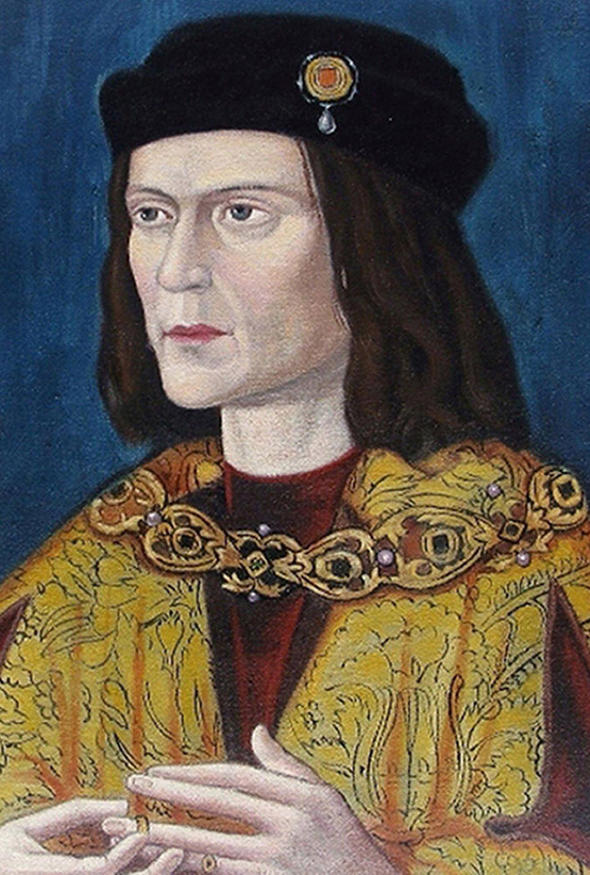
British subjects often joke that when Americans visit Heathrow Airport outside of London, the Yanks typically ask, “Why did they build Windsor Castle so close to an airport?”
Given the recent news that a team of researchers may have unearthed the final resting place of England’s King Richard III, Brits may soon have Americans asking, "Why did the these people – so obsessed with the pomp and style of their monarchy -- bury one of their kings beneath a parking lot?”
Some history: Richard III was killed in rural Leicestershire at the Battle of Bosworth Field in 1485, signaling the defeat of the House of York and the end of a line of Plantagenet kings that had endured for over 300 years. The king’s final true resting place remained a mystery until August 2012, when a skeleton was found as part of an archaeological dig.
Subsequent DNA tests reportedly confirmed that the human remains were matched to a living Canadian cabinetmaker who is a direct descendent of Anne of York, Richard’s sister. Tests were also conducted on another relative, who decided to remain anonymous. When presented with the DNA findings, the Canadian cabinetmaker said, "I never thought I'd be a match, and certainly not that it would be so close, but the results look like a carbon copy."
Other evidence – such as battle wounds and the hunchback king’s famous curvature of the spine – pointed toward Richard III.
Archaeologists say that the skeleton reveals a man who suffered a horribly violent death. Evidence was found of 10 wounds, two to the body and eight to the head, which are believed to have occurred very close to the actual time of Richard’s death. There were also signs of so-called humiliation injuries, wounds that are typically inflicted after death as a means of punishment. Those injuries were consistent with historical records that indicated the body had been put on display, naked, in Leicestershire before being buried.
Controversy has already attended the discovery of Richard’s remains, with various groups debating over whether Richard should be buried in York Minster, in keeping with his lineage as a member of the House of York, or in Westminster Abbey. Still others believe that the king should remain where he died – in Leicestershire.